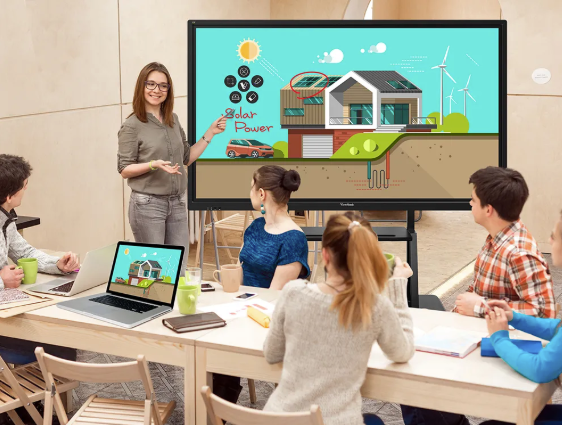
In today’s education landscape, digital tools have become essential for modern classrooms. They shift traditional teaching into interactive experiences that promote engagement and critical thinking. By utilizing technology, educators can create vibrant environments that cater to diverse learning styles. However, the challenge lies in effectively integrating these tools within existing curricula. What strategies can maximize their potential while addressing inherent obstacles? This question invites further exploration into the transformative power of technology in education.
Essential Digital Tools for Engaging Students
As educators increasingly recognize the importance of student engagement, they are turning to essential digital tools that can transform traditional teaching methods.
Interactive quizzes foster immediate feedback and enhance retention, while virtual simulations immerse students in real-world scenarios, encouraging exploration and critical thinking.
These innovative tools empower learners, promoting autonomy and creativity, ultimately cultivating an environment where curiosity thrives and knowledge flourishes.
Enhancing Collaboration With Classroom Technology
While collaborative learning has long been recognized as a cornerstone of effective education, the integration of classroom technology has revolutionized how students interact and work together.
Virtual groupwork facilitated by interactive platforms empowers students to share ideas seamlessly, fostering creativity and critical thinking.
This technology not only enhances engagement but also cultivates a sense of community, encouraging cooperative problem-solving and enriching the overall educational experience.
Streamlining Administrative Tasks With Digital Solutions
A myriad of digital solutions has emerged to streamline administrative tasks in educational settings, transforming the way educators manage their responsibilities.
Tools for task management enhance productivity, allowing teachers to allocate time efficiently.
Furthermore, advanced data analysis capabilities enable institutions to derive insights from performance metrics, ultimately fostering a more responsive educational environment.
Such innovations empower educators to focus on teaching rather than administrative burdens.
See also: Digital Payment Technologies Explained
Best Practices for Integrating Technology in Teaching
Integrating technology in teaching requires a strategic approach that aligns digital tools with educational goals, thereby enhancing student engagement and learning outcomes.
Best practices include adopting flipped classrooms, which empower students to learn at their own pace, and implementing personalized learning strategies that cater to diverse needs.
This approach fosters autonomy, creativity, and critical thinking, ultimately creating a dynamic learning environment that encourages exploration and growth.
Conclusion
In the vibrant tapestry of modern education, digital tools weave threads of interactivity, collaboration, and efficiency, transforming classrooms into dynamic learning landscapes. As educators harness these technological marvels, they illuminate paths for student autonomy and creativity, allowing curiosity to bloom like wildflowers in spring. By embracing innovative practices and fostering a culture of engagement, the future of education unfolds—rich, diverse, and tailored to the unique needs of every learner, ensuring that no mind remains untouched by the light of knowledge.