Basement renovation hinges on moisture control first, then light. Start with robust barriers and drainage to curb mold. Use reflective surfaces and pale tones to brighten spaces. Plan flexible zones with modular furniture and hidden storage. Consider budget-friendly, durable finishes and adaptable systems that can evolve. The sequence matters, and so does balance between comfort and practicality. A cohesive, resilient plan invites further questions about how to tailor these ideas to a specific basement.
Prioritize Moisture Control for a Healthier Basement
Effective moisture control is foundational to a healthier basement, preventing mold growth, wood rot, and musty odors. The approach centers on moisture barriers and humidity control, integrating waterproofing membranes with robust drainage solutions. This combination limits water intrusion, regulates humidity levels, and preserves structural integrity. Careful installation, inspection, and maintenance ensure a durable, comfortable space while reducing long-term remediation needs.
Maximize Light and Warmth With Design Tricks
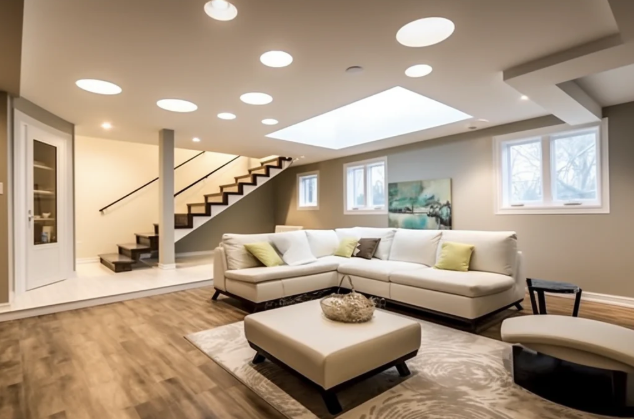
Natural light and warmth can transform a basement from a cave into a welcoming living space, and deliberate design choices make this transformation practical. Designers pursue maximize lighting through reflective surfaces, pale palettes, and strategic window placement, while layout considerations optimize flow and function. Color psychology guides tone, enhancing warmth with muted neutrals and soft accent hues, balancing openness and coziness.
Create Flexible Living Zones With Smart Storage
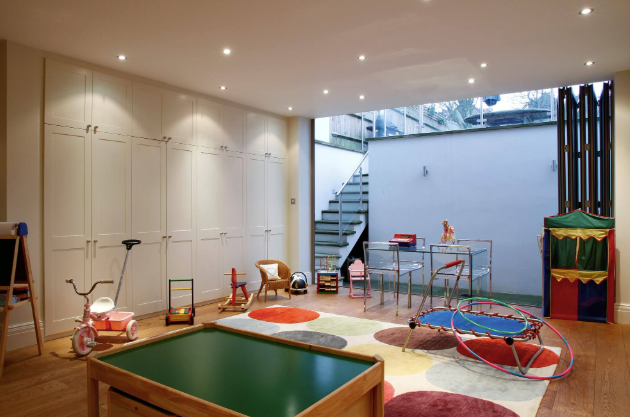
Flexible living zones after basement renovation rely on smart storage that smoothly expands function without crowding space. The approach pairs modular furniture with hidden compartments and adaptable partitions, enabling flexible zoning and serene flow. Details emphasize accessible design and practical organization, ensuring easy reconfiguration for different activities. Flexible zoning and smart storage empower residents to redefine areas as needs evolve.
Upgrade Finishes and Systems on a Budget
Upgrading finishes and systems on a budget focuses on smart choices that maximize impact without inflating costs. The approach blends durable, versatile materials with modular installations, enabling easy upgrades over time.
Emphasis rests on budget friendly finishes and budget conscious systems, selecting efficient lighting, HVAC, and fixture packages.
Resulting environments feel cohesive, flexible, and refreshingly independent, without compromising comfort or style.
Frequently Asked Questions
How Long Does a Basement Renovation Typically Take From Start to Finish?
A basement renovation typically spans several weeks to a few months, depending on scope. The process factors in planning, approvals, and trades. It enhances basement lighting and energy efficiency while preserving the freedom to customize, with meticulous project coordination.
What Permits Are Usually Required for Basement Projects?
A permits overview typically includes building, electrical, plumbing, and egress approvals, with potential HVAC and fire safety reviews. The process emphasizes safety compliance, timelines, and jurisdiction-specific requirements, guiding homeowners toward compliant, freedom-enhancing renovations.
Can I DIY Parts of a Basement Renovation Safely?
DIY electrical safety is essential; roughly 1 in 3 basement projects involve electrical mistakes. The answer: parts can be DIY, but mold prevention and professional guidance are advised to avoid hazards and ensure code compliance.
See also: Blockchain-Based Financial Innovation Systems
What Is the Best Way to Manage Mold Risk Before Finishing?
Mold prevention requires thorough moisture control measures before finishing. The approach prioritizes sealing, ventilation, and drainage, while monitoring humidity and potential leaks. A detached observer notes that proactive inspections and proper materials empower safe, freedom-minded basement renovations.
How Do I Estimate Total Basement Renovation Costs?
Cost estimation hinges on scope, materials, and labor, while risk assessment flags moisture, electrical, and permits. A disciplined budget baseline emerges from quotes, contingency buffers, and phased milestones, empowering freedom to adapt as realities unfold throughout the basement renovation.
Conclusion
In the basement’s quiet glow, moisture fears retreat behind stout barriers, like a fortress behind glass. Pale walls catch the light, reflecting a soft, hopeful warmth that gathers in every corner. Flexible furniture drifts into new shapes, quietly storing memories out of sight. Subtle dividers carve serene pathways, guiding footsteps with invisible intent. Finishes upgrade patiently, while modular systems hum in the background, ready to adapt. A durable, comfortable living space emerges—bright, practical, and enduring, built to sustain with calm, enduring grace.