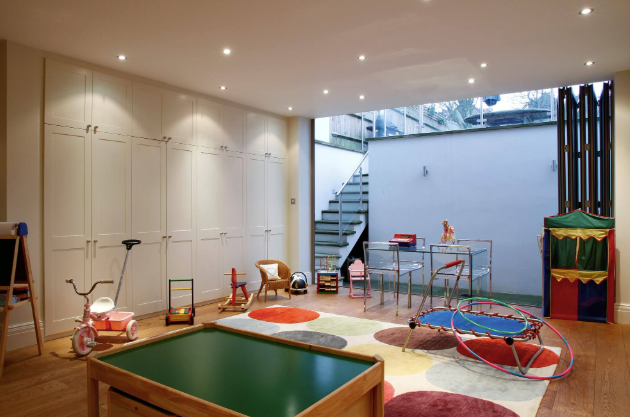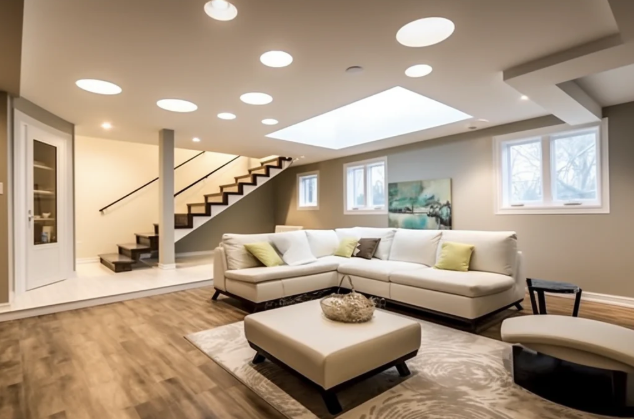
Basement lighting design blends mood with function, shaping spaces through measured layers. Ambient, task, and accent lighting create depth while guiding circulation and reducing glare in tight areas. Color temperature and brightness are calibrated to preserve scale and safety, with controls that adapt zones for work, leisure, and storage. Statement fixtures anchor a cohesive language on a budget, balancing form and reliability. The disciplined approach leaves an opening for precise placement and material choices that could redefine the basement’s atmosphere.
What Basement Lighting Should Do for Mood and Function
Basement lighting should establish a clear balance between mood and function, offering zones of ambiance while ensuring safe, practical tasks. Effective systems blend task, ambient, and accent layers, guiding eye movement and reducing glare. Two word ideas, two word ideas, reflect concise creative intent while preserving clarity. Detailing placement, controls, and color temperature supports freedom-minded design without sacrificing precision or safety.
Layered Lighting Schemes for Small, Dark Spaces
Small, dark spaces benefit from a deliberate layering of light that compensates for limited natural illumination while preserving depth and readability. Layered lighting schemes combine ambient, task, and accent layers to maintain balance without glare.
In compact basements, small spaces gain perceptual height and flexibility, enabling zones for work, leisure, and storage, while ensuring visual coherence and freedom of movement through precise placement.
atmospherics contrast.
Color Temperature, Brightness, and Energy Tips
Color temperature and brightness shape perception and energy use in basement lighting, guiding how warm or cool tones interact with spatial cues and task needs. The discourse analyzes color temperature and brightness as measurable parameters, linking human comfort to consumption patterns. Strategic choices optimize efficiency, reduce glare, and preserve ambiance. Precision in specification enables freedom to sculpt functional atmospheres without waste.
Statement Fixtures and Practical Sourcing on a Budget
Statement fixtures can crystallize a basement’s design language while balancing budget constraints with visual impact. The section treats form, function, and materials as measurable variables, enabling deliberate choices. It emphasizes practical sourcing: cataloging affordable options, evaluating reliability, and prioritizing longevity. Designers compare finishes, electrical compatibility, and installation simplicity, ensuring cohesive aesthetics without excess. Objective evaluation guides bold, affordable statement fixtures and disciplined sourcing strategies.
Frequently Asked Questions
How to Budget for Long-Term Basement Lighting Repairs?
Budget planning guides the process, balancing upfront costs with long term repairs. The detached assessment records risk, reduces variance, and allocates contingencies; it frames cash flow, maintenance cycles, and sustainable luminance, allowing freedom while ensuring reliable basement lighting resilience.
See also: Blockchain-Based Financial Innovation Systems
Which Ceiling Heights Affect Fixture Placement Decisions?
Ceiling height considerations determine where fixtures may safely mount and how many can be positioned without glare; precarious spaces demand measured spacing. Fixture spacing strategies emerge from precise calculations, balancing illumination, aesthetics, and freedom within restricted vertical limits.
Are Smart Lighting Controls Worth It in Basements?
Smart lighting controls are worth it in basements; they enhance energy efficiency and offer precise dimming, scenes, and automation. They enable adaptive illumination, reduce waste, and support flexible spaces for an audience that desires freedom and control.
How to Handle Electrical Code Compliance for Unique Basements?
“Where there’s a will, there’s a way.” Compliance requires consulting local electrical code, documenting unique basement features, and pursuing professional review; two word idea 1, two word idea 2—precise, adaptable, and safety-first within creative freedom.
What Are Maintenance Tips to Extend Fixture Life?
Maintenance tips include regular dusting, periodic ballast checks, and lamp replacement aligned with manufacturer specs to maximize fixture life; thermal management and vibration minimization preserve performance, while an organized maintenance log supports consistent fixture life expectations for freedom-seeking designers.
Conclusion
In the basement, light is a patient clockmaker, tuning hours within walls that would otherwise forget dawn. Layered layers—ambient, task, accent—function as gears, turning shadow into purpose without collision, guiding feet and hearts alike. Color temperature flutters like a weathered compass, brightness adjusts as a metronome, and energy savors the smallest trace of glow. A few chosen fixtures stand as constellations, practical yet noble, while adaptable controls map a quiet, disciplined orchestra of space and time.